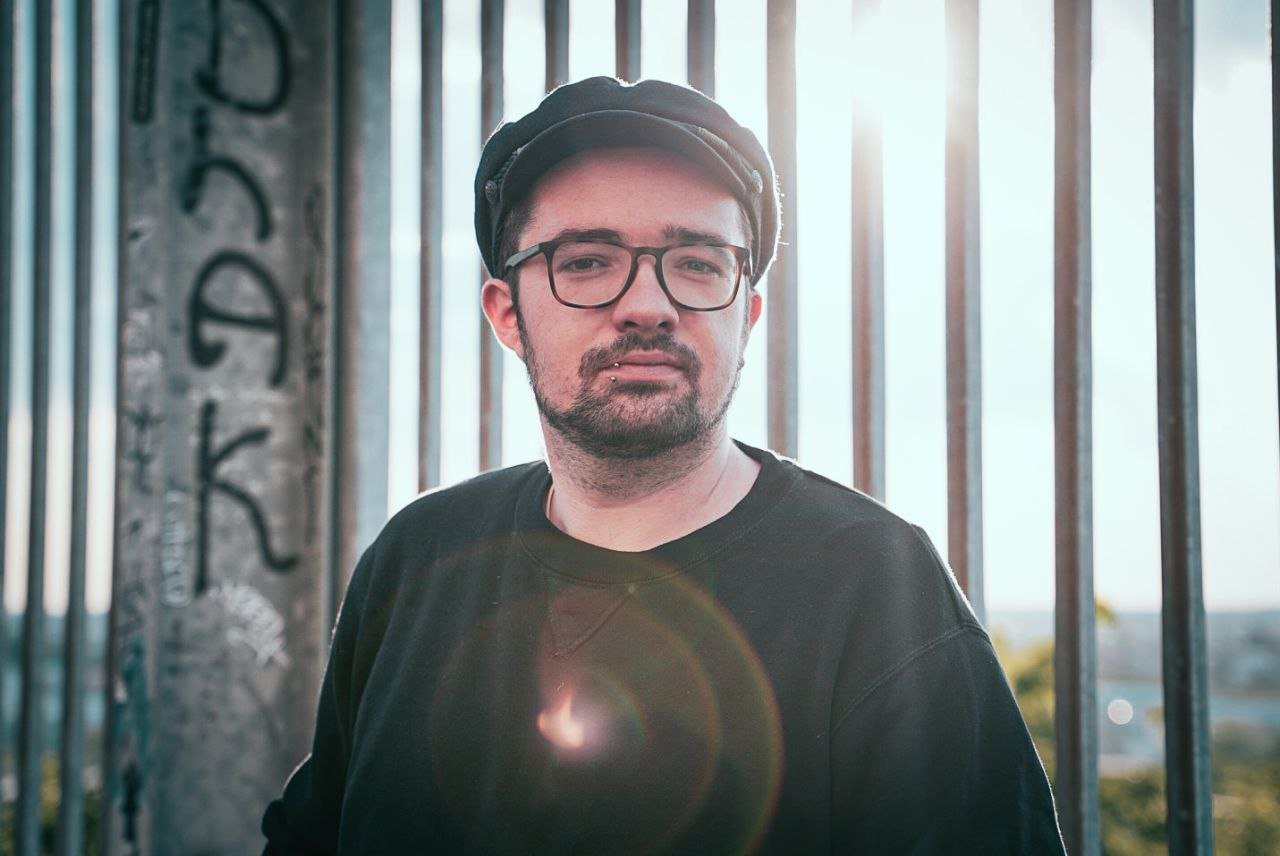
Creative Director
 Magnificent
Studio / Meaningful Matter
An artistic practice that begins with matter and opens through people.
Our narrative
A familiar material can become an unfamiliar world. Under magnification, an edge can feel like a coastline, a particle like a distant body. Those resemblances let us move between intimate detail and a larger imagination, while staying with a real material process.
For us, meaning grows through that encounter: the time spent observing, the choices that let another person see, and the setting in which attention becomes shared. We compose conditions for something to happen. The material keeps its own part in the conversation.
Material behaviour
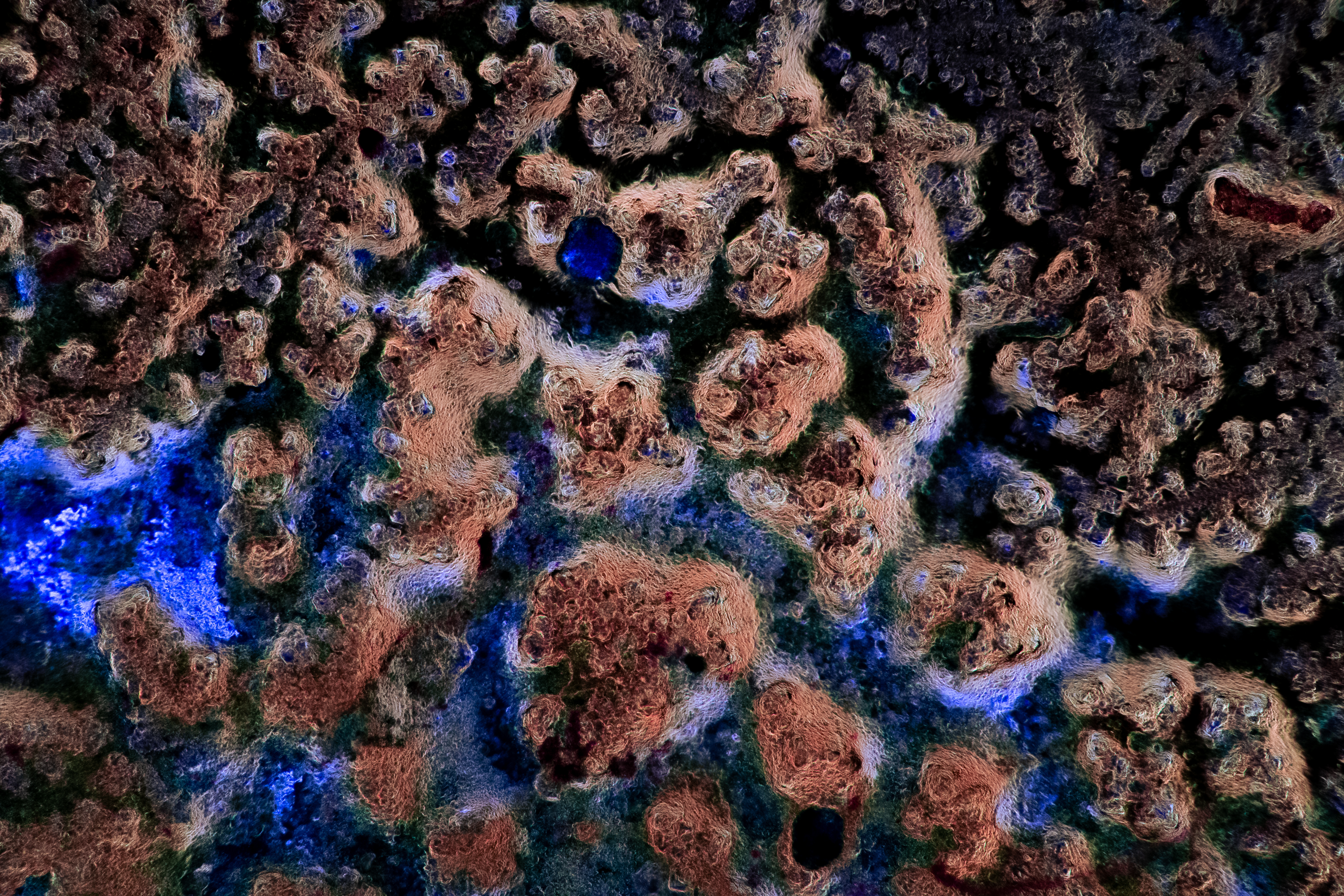
Liquids merge and separate. Boundaries form, become unstable and change again. We use Nature’s Intelligence as an artistic way of attending to this capacity for self-organisation.
It asks us to work with what a material does, rather than require it to resemble a predetermined picture. Precision makes the behaviour available to perception; curiosity keeps the outcome open.
The people behind MM
Creative Director
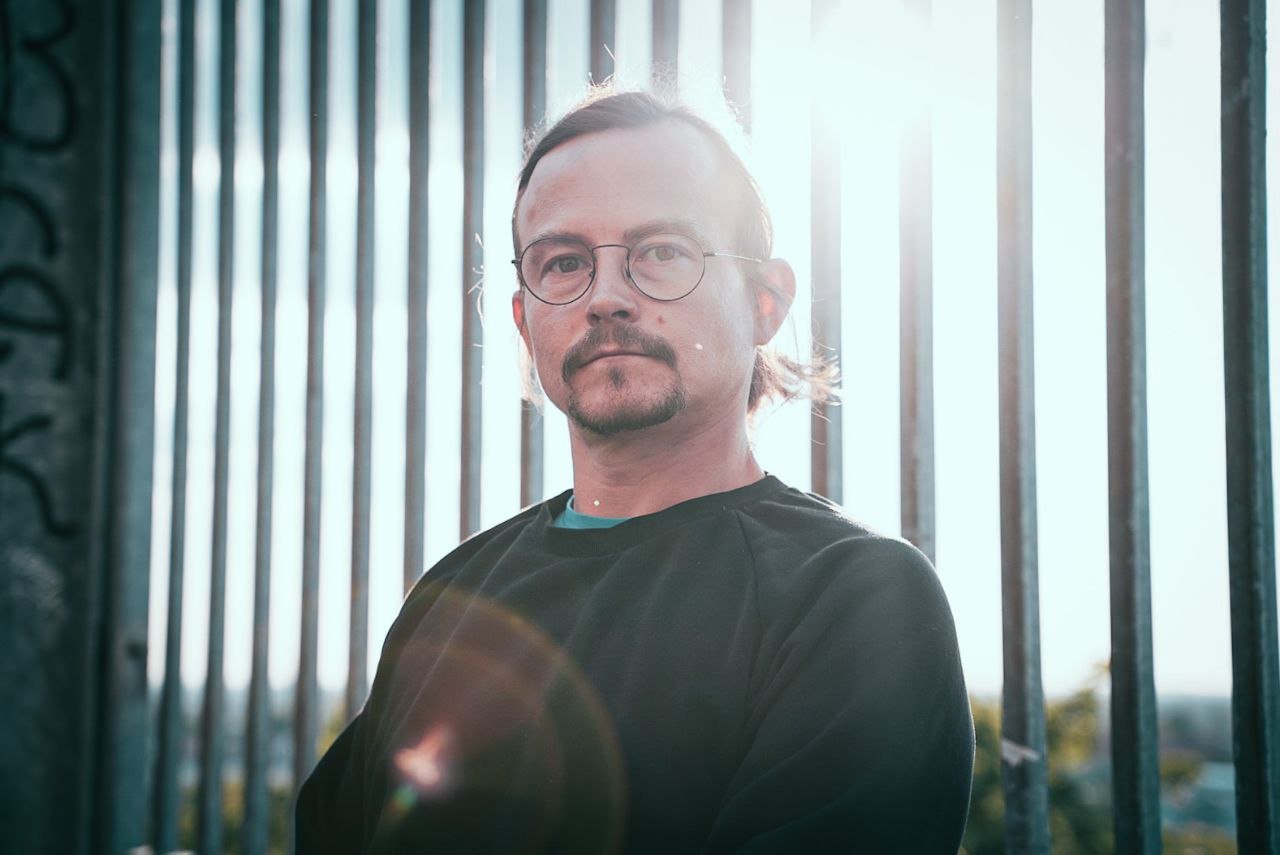
Scientific Director
We are a Berlin-based artist collective working between art and science through microscopy. Our practice includes research-grade optics, custom software and hardware, image-making and spatial composition.
We build the instruments and conditions around the questions in a project. Each collaboration brings another way of listening, making and observing.
Our methods
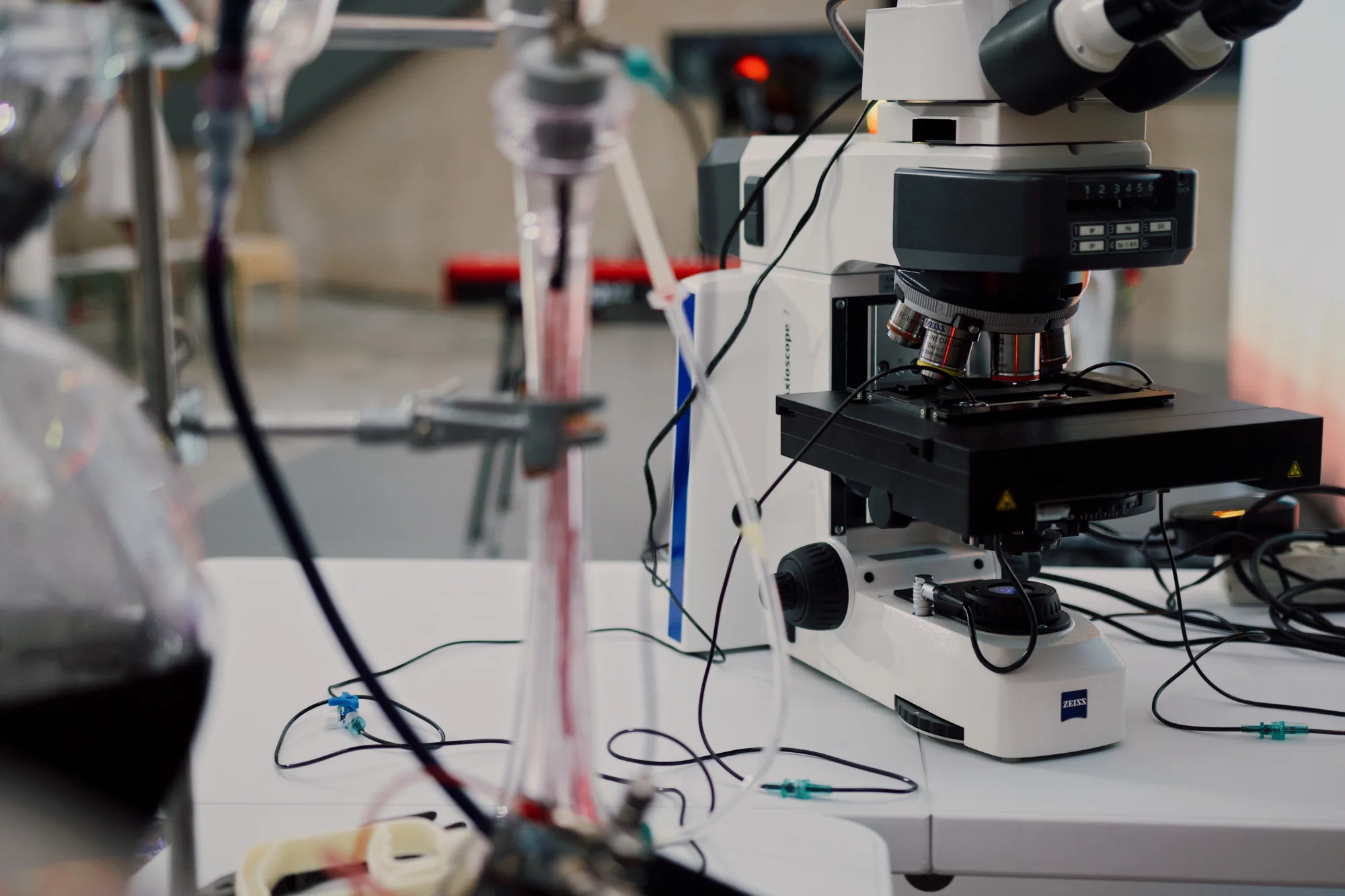
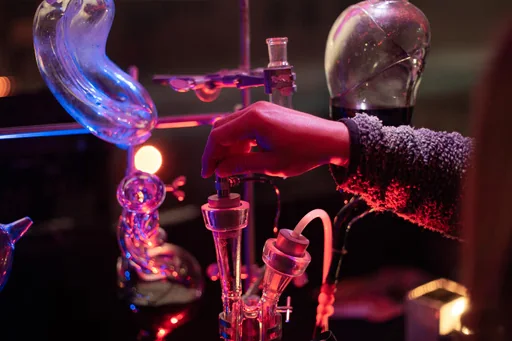
01 / Prepare
Specimens are prepared, disturbed and observed. Movement, density and the response to light help determine what can carry an image through time.
02 / Observe
Focus, exposure and timing make material behaviour available to a live situation. The operator responds to what is happening.
03 / Translate
Projection geometry, sound, brightness and the audience’s position change how a close image is experienced.
04 / Preserve
Rehearsal and documentation keep the source, conditions and decisions available for another work.
Micro / macro
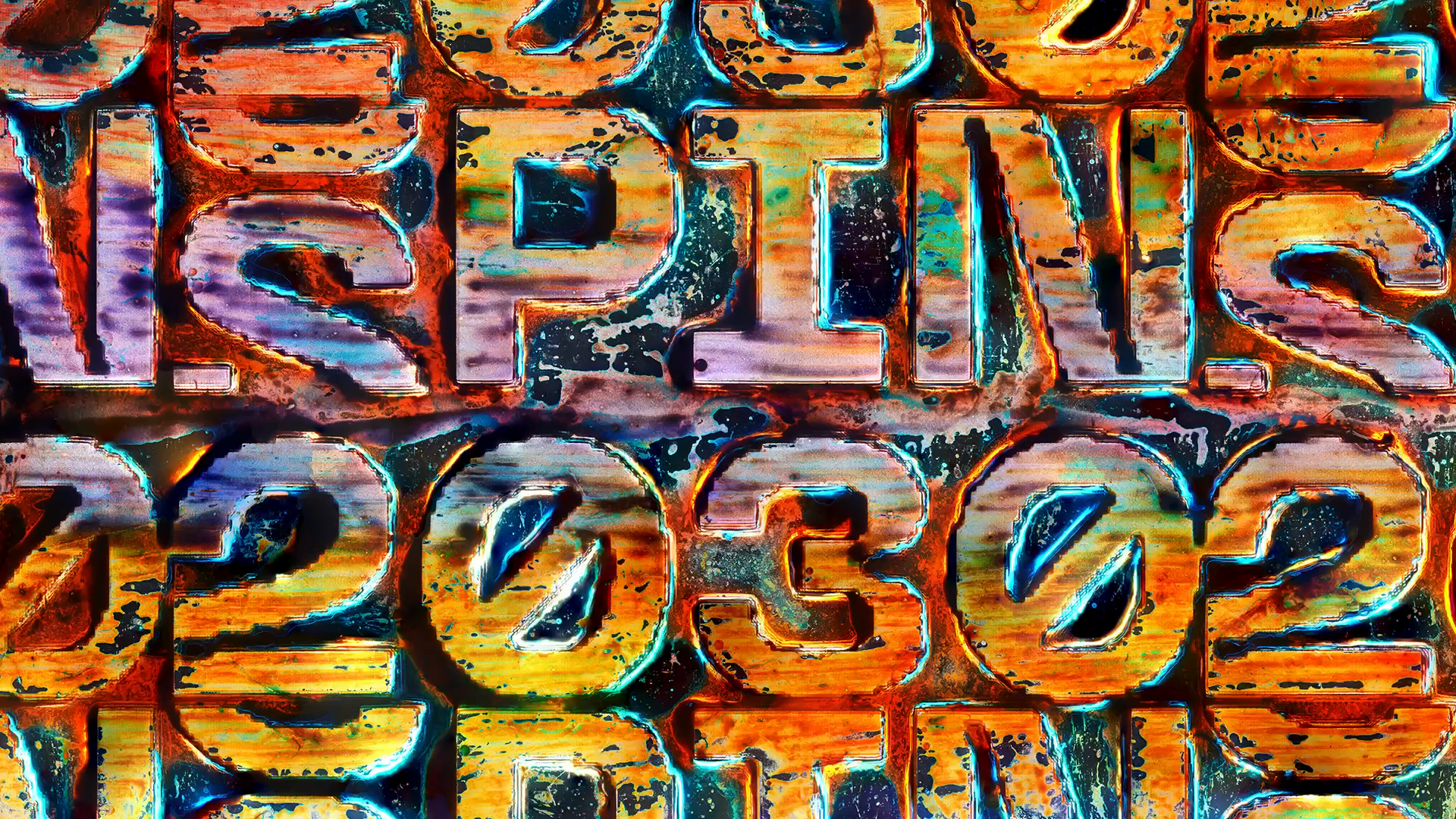
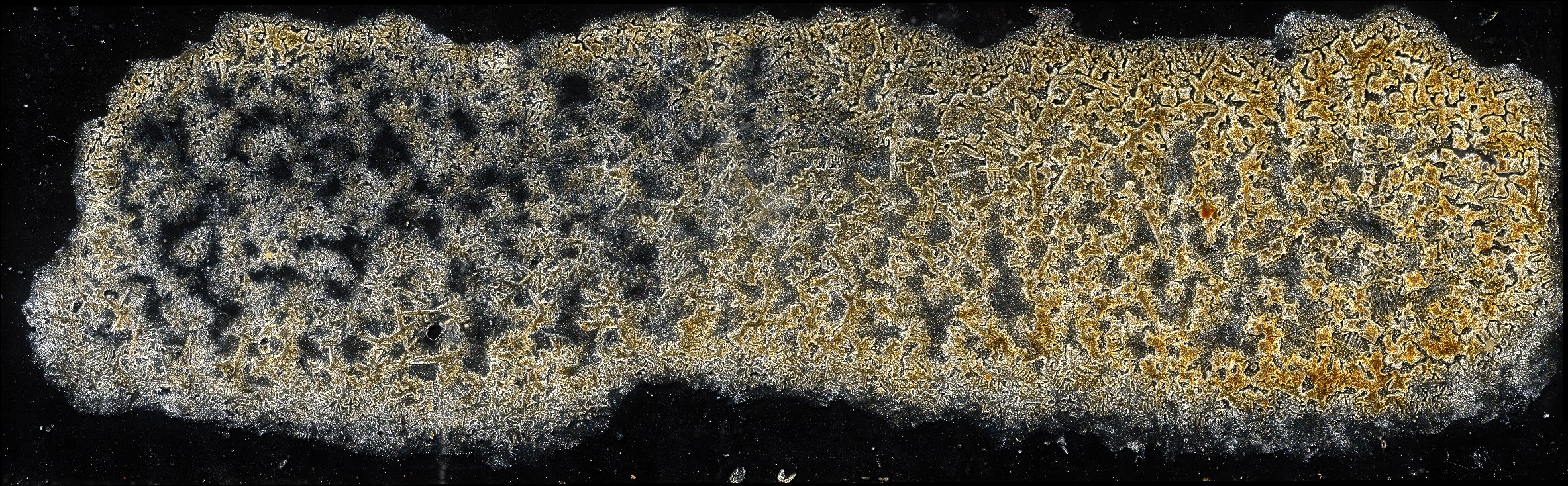
Overlapping microscopic captures can be joined into a larger field. Panorama stitching lets us move across local details and the whole image. A screen, print or architectural surface gives that field another scale.
Matter Panoramas, in developmentMaterial observations
Technology / concepts in development
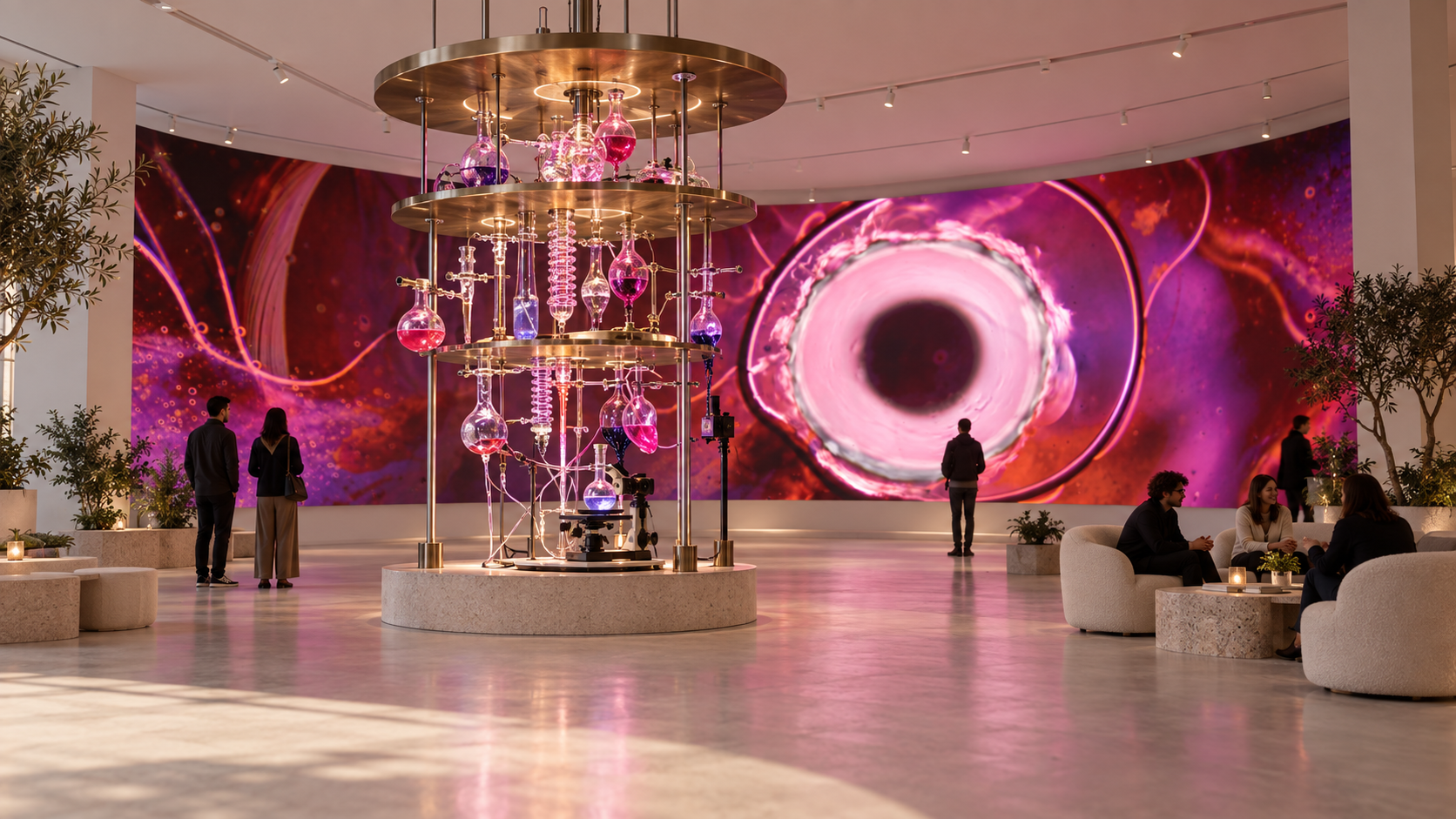
Building our own software and hardware lets the practice follow questions beyond the limits of a single ready-made tool. An optical setup, a control, an image workflow or a spatial prototype each changes what can be attempted.
Digital and AI methods belong to that development. In these spatial studies, generated environments help explore a possible setting around an artwork. We keep that role explicit: a concept image remains distinct from material observation and from a completed installation.
People and places
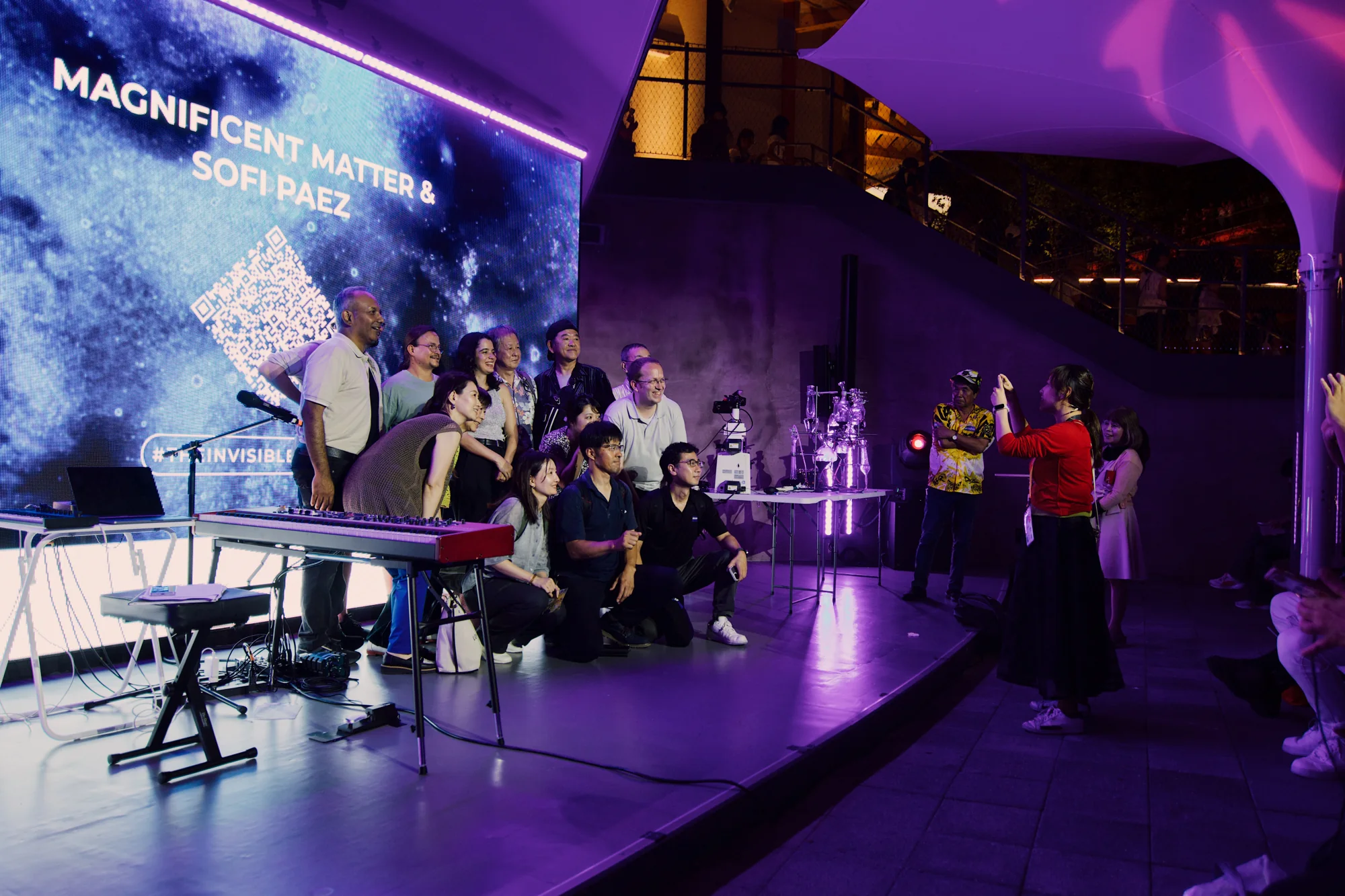
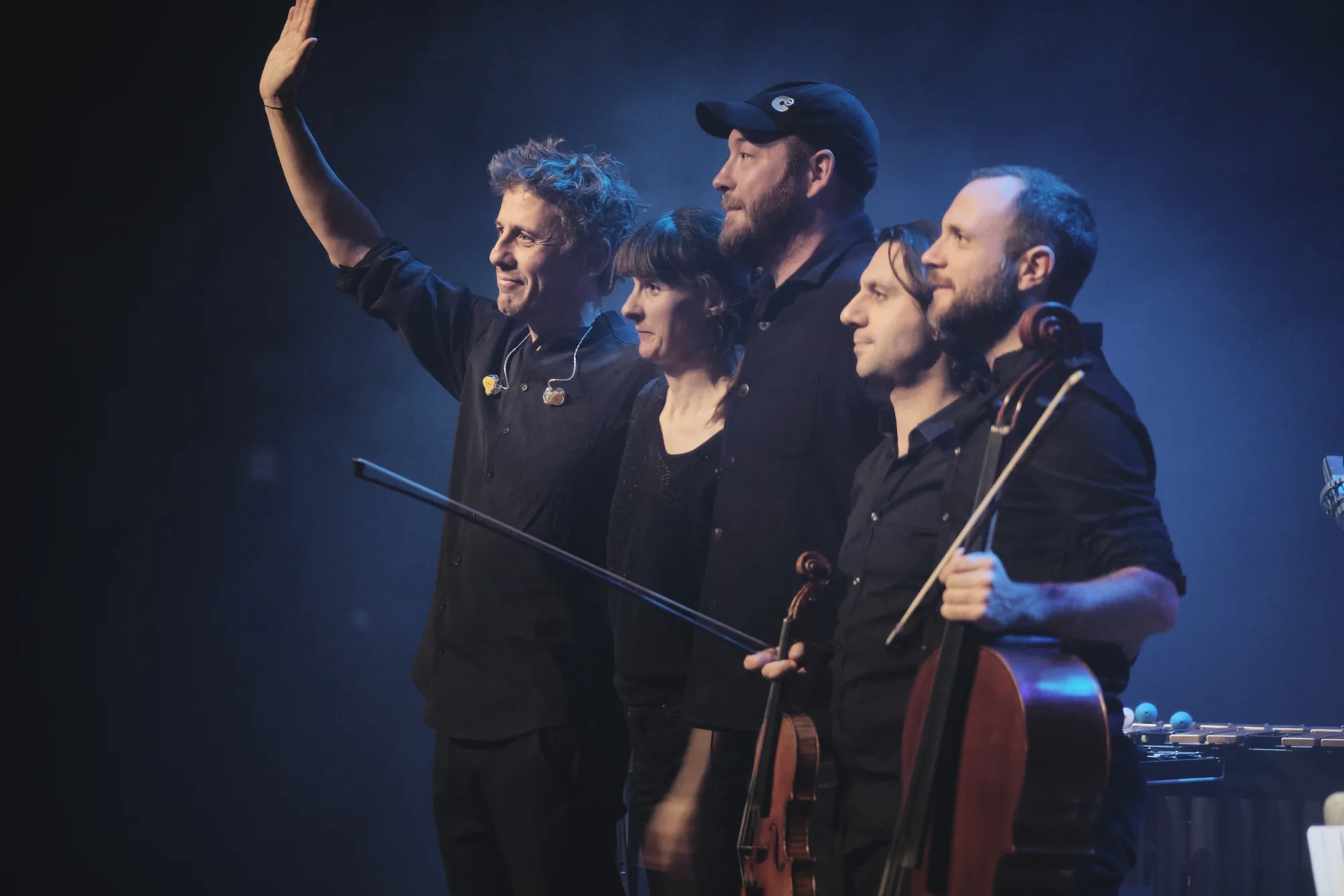
The community around MM is made through work: a shared performance, a technical problem solved together, a meeting that becomes another question. People return in new contexts. Expertise stays distinct while the work becomes something none of us could make alone.
An ecosystem, seen through its projects
Expo Osaka and Encounters meet again inside the planetarium.
Robot Koch / Foam and SandFrom a spatial music collaboration at Monopol to a community gathering at Wilhelmine.
ZEISS + StageLight BerlinScientific optics, international production and live cultural presentation.
MONOM + Marie PoloSpatial sound, water and embodied attention form the TUNEKO encounter.
Pascal SchumacherA visual world moves between film, release artwork and the stage.
Pink Valley + Alexander Puschkin SchoolImage becomes one layer of a co-created multisensory performance.
Rachel Colless + the editorial teamFashion, motion and material imagery enter one published story.
An open practice
A continuing practice
01 / Begin
Early posts show the first fluid-control instrument and custom slides, developing the conditions around the microscope.
02 / Make
“Blown for the Unknown” documents work with glass artists and the hot shop: physical components emerge through another craft and its community.
03 / Perform
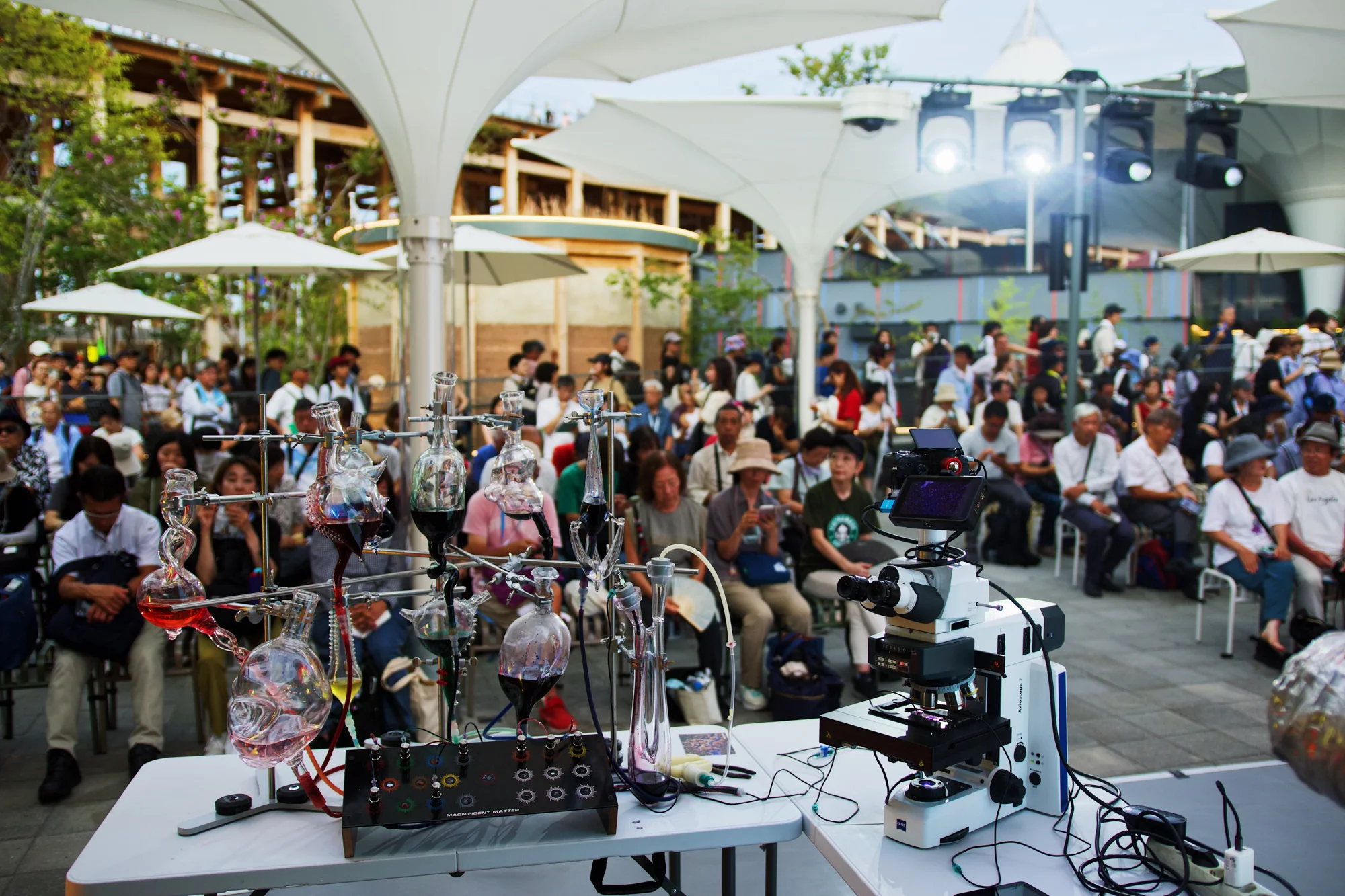
Later documentation follows the instrument into public demonstrations and performance. The system develops through the situations in which it is used.
AI / an evidenced part of the method
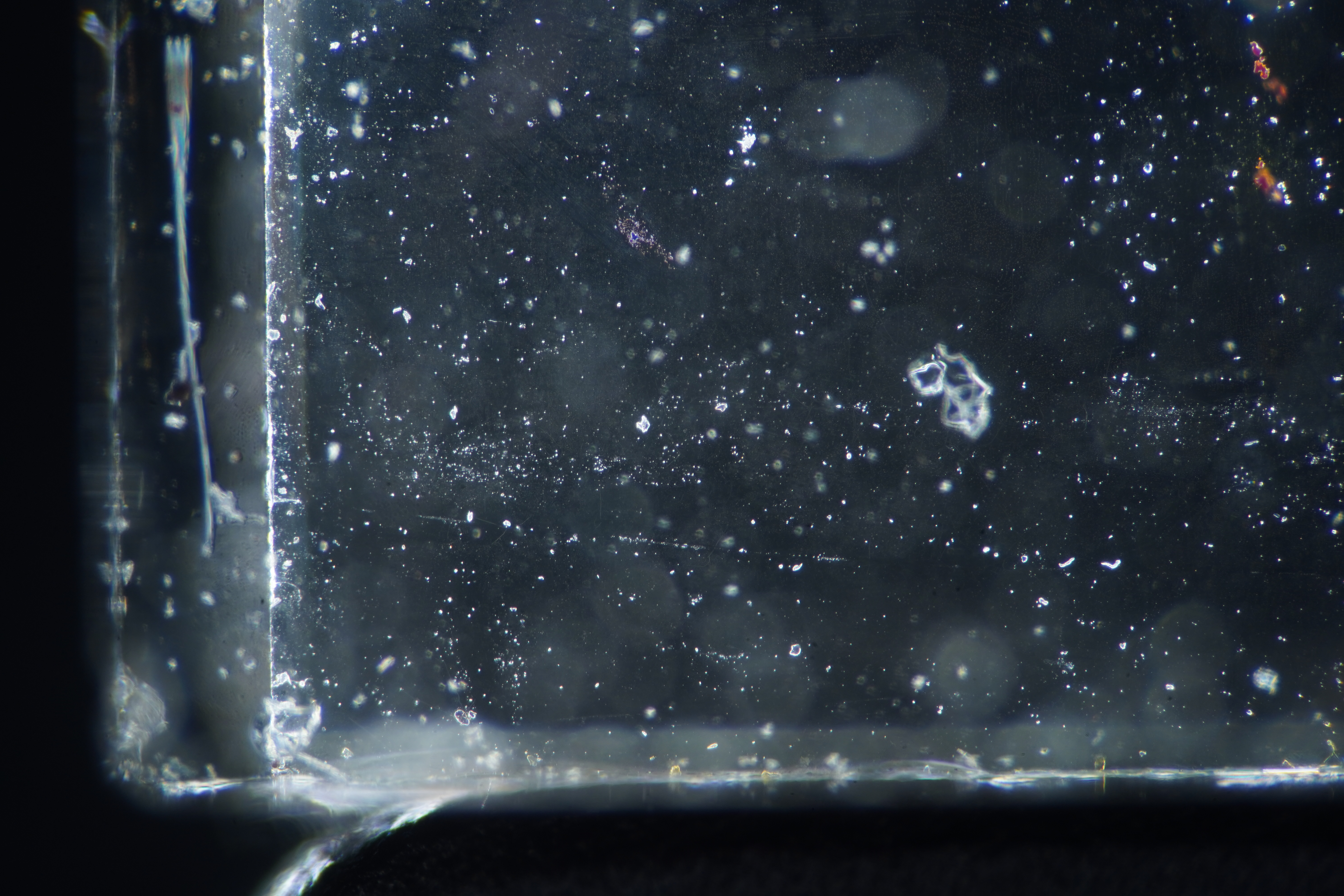
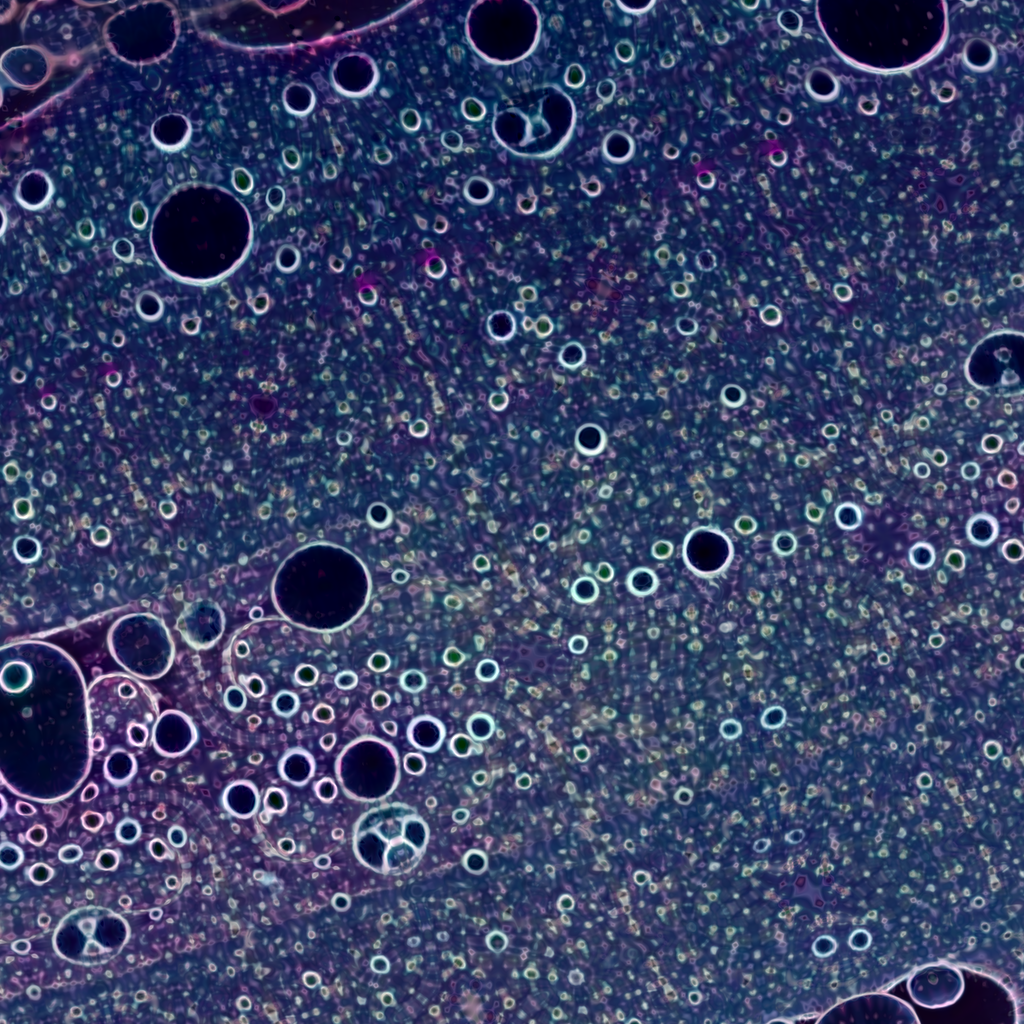
The early latent-walk posts describe a collaboration with Adrien using roughly one thousand training images. The Drive archive preserves microscopic datasets and generated outputs. Together they give the AI discussion a concrete starting point: an observed image becomes material for another kind of image-making.
These are different processes. Optical observation, trained generation and a spatial concept image each need their own explanation and attribution. The exact model version and production settings remain source-review questions.