
Field Notes
The worlds around the work.
Japan field notes: a stage, an open microscope, island encounters and a conversation that continues in Tokyo.
01 / Field Notes
Before the first image
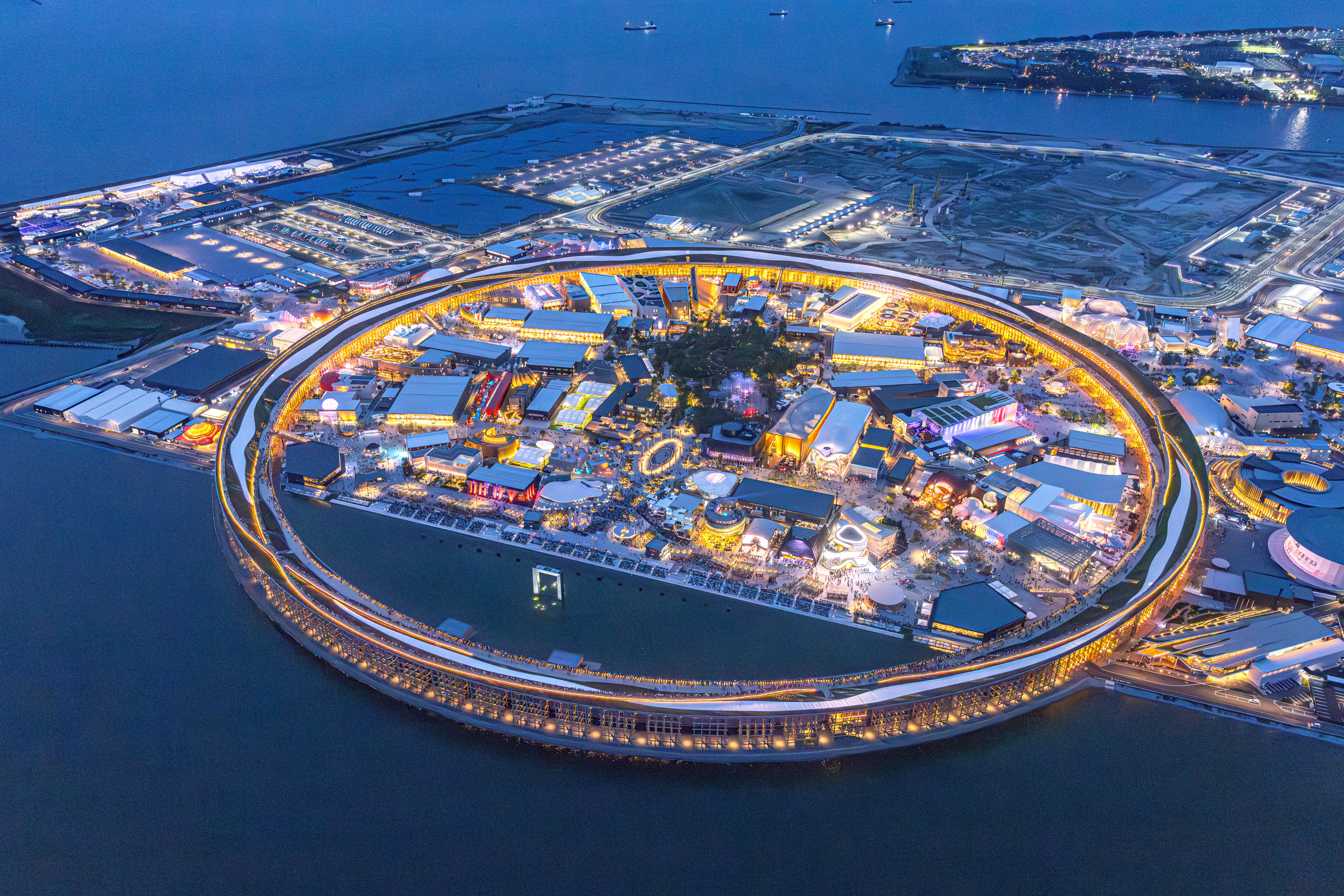
The journey began with people and equipment. Magnificent Matter, Sofi Paez, Stefano Canavese and StageLight Berlin travelled to Osaka with a microscope, instruments and the practical work of making a performance possible. A project that had grown through conversations now needed to exist in another room, in another country.
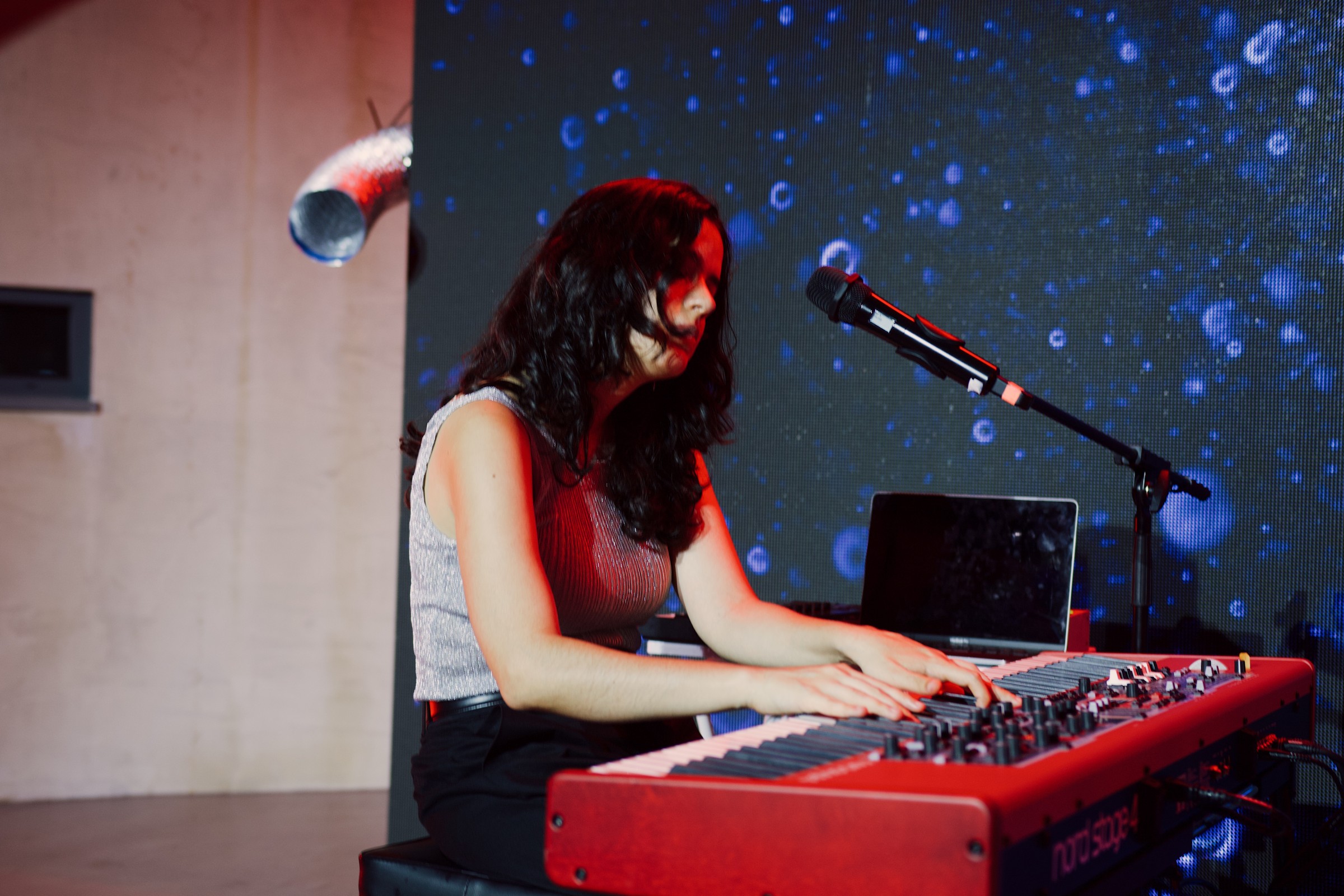
In the German Pavilion, a small material process became a large image. The photographs around that image show the preparation, the hands at the apparatus and the people looking back from the audience. The finished performance is one view of the project. These other views reveal the work that holds it together.
02 / Field Notes
After the last note
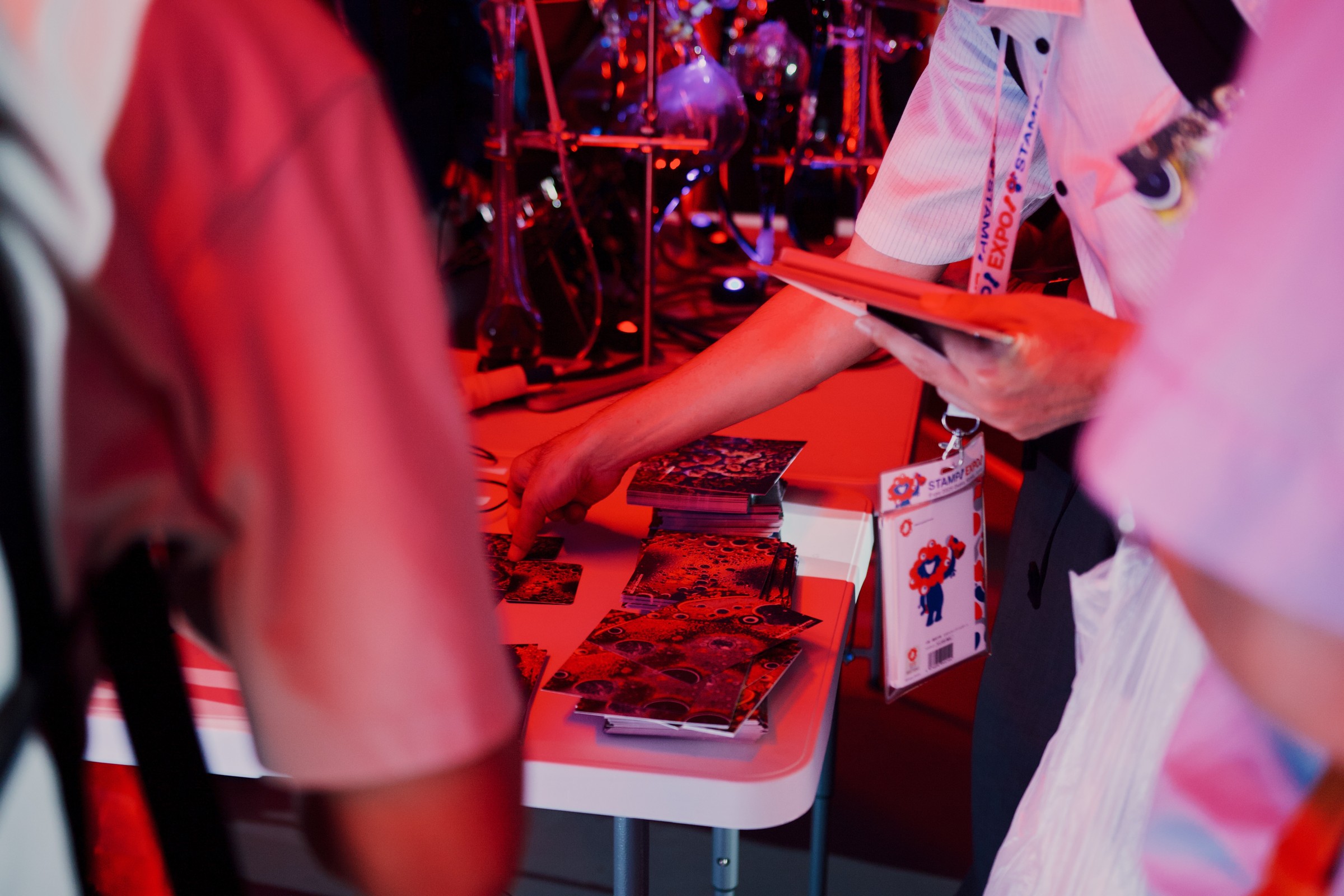
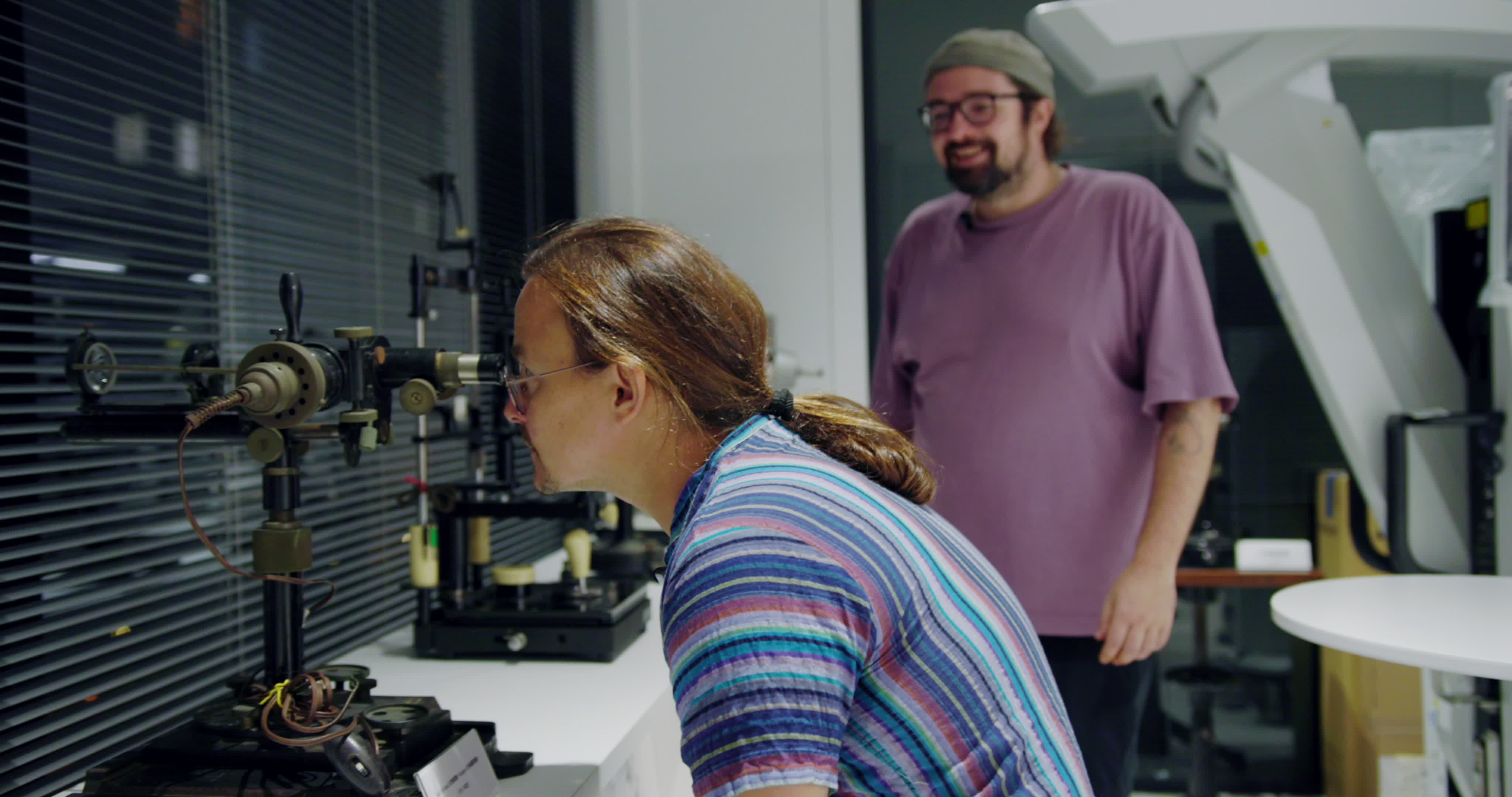
People came closer after the shows. They looked into the microscope, asked questions and left drawings in the guestbook. The attention directed towards the stage became a series of smaller exchanges. For a while, the performance space remained a meeting point.
This is one of the things the field notes make visible: an artwork changes what can happen around it. The image can begin a conversation; an instrument can be approached; a visitor can become part of the encounter. Those moments remain part of the work.
03 / Field Notes
A different pace of looking
After Osaka, the journey continued through Naoshima and Teshima. The book describes an encounter with artworks, architecture, island paths and the sea. At Teshima Art Museum, attention moved towards a space in which light, air and the sounds outside could remain present.
For our practice, this opens a question about how much a setting needs to do. The Expo and the island encounters offered very different scales and rhythms. Both left us thinking about the conditions through which people can notice what is already there. These are reflections from a journey, rather than a claim that other artists’ work explains our own.
04 / Field Notes
The instrument returns in Tokyo
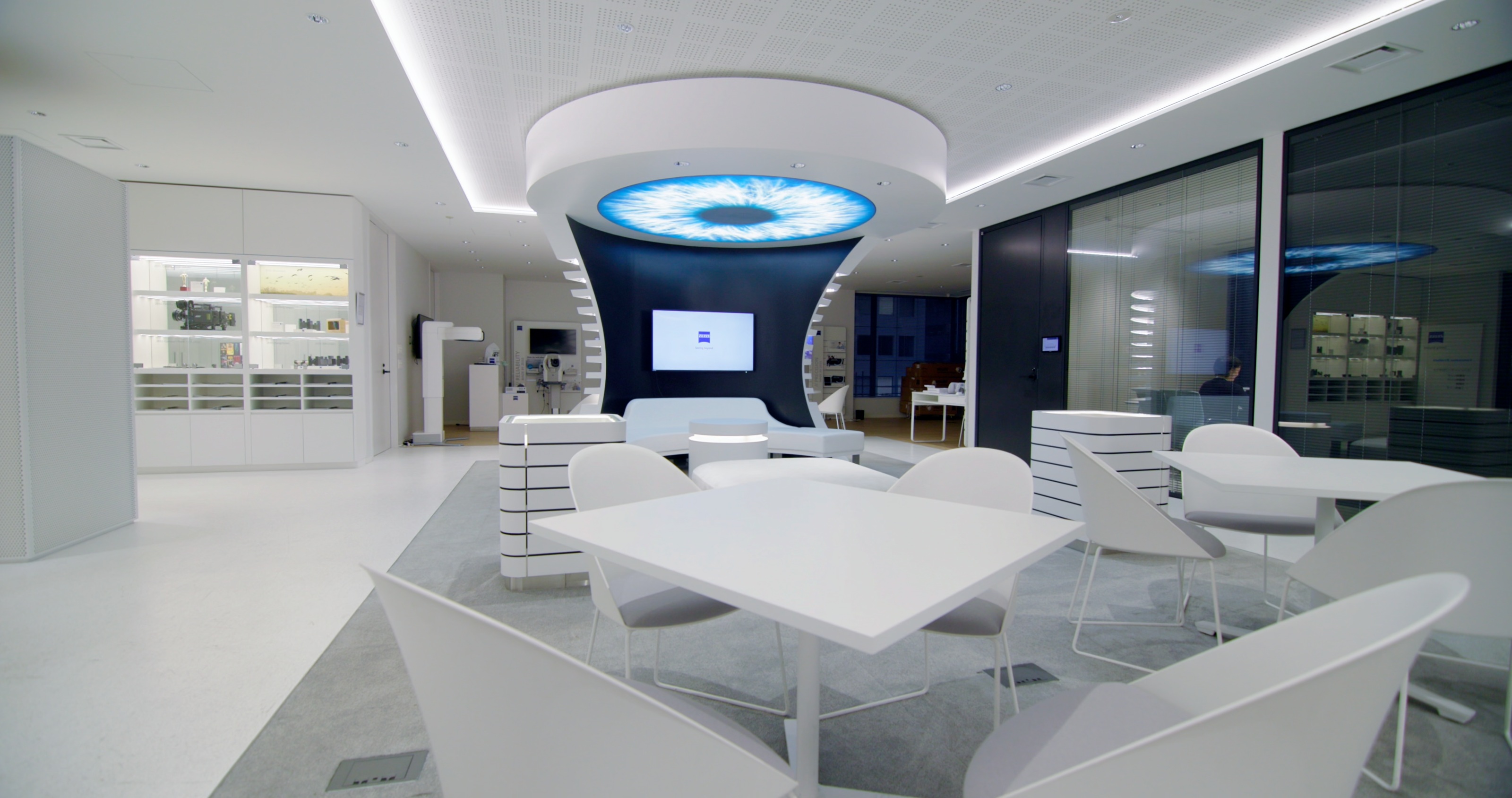
Meeting the ZEISS team in Tokyo returned the journey to a microscope. Devices, working spaces and conversations brought another perspective into a collaboration that had begun in Jena and reached a public stage in Osaka. Additional photographs and film kept that exchange visible.
The link between these places is carried by people. The visit gave time to reflect on the performances and to see more of the everyday expertise behind the technology. It also kept the collaboration open beyond its first public result.
05 / Field Notes
Another kind of close listening
At Bar Isshee, the group encountered Akira Sakata and Ami Yamasaki in a much smaller room. The Japan book records a conversation after the music and Sakata’s photographic book of microscopic life. Sound and close observation met through another artist’s practice.
The episode belongs to the story around MM: curiosity finding a new connection, rather than a newly announced commission. It suggests a journal that can move between finished works, questions, places and encounters—while keeping their different kinds of authorship clear.
Next